Protect Minnesota’s life-giving waters
What’s at Stake?



Recent News & Actions
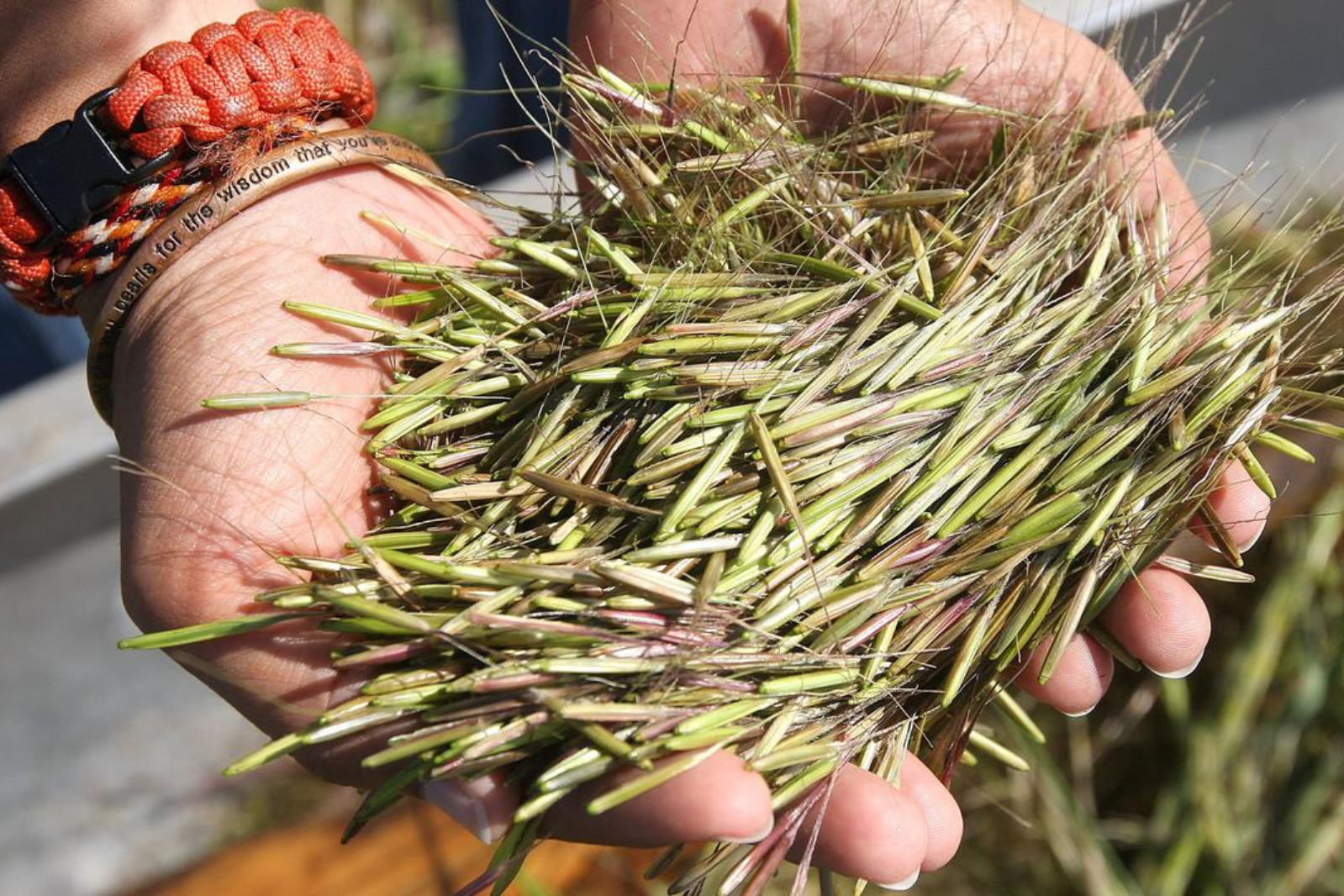
WaterLegacy & Partners Launch New Report & Campaign to Protect Wild Rice (Manoomin)
On May 8, WaterLegacy and Indigenous and Non-Native leaders, harvesters, and residents of Aitkin County and the Tamarack region are celebrating the completion of the report, “Wild Rice (Manoomin) in the Tamarack Region: Value, Abundance, and Need for Protection,” and the launch of a campaign to defend their wild rice. Local wild rice is threatened by the proposed Talon Metals/Rio Tinto nickel mine and continuing efforts by Minnesota legislators to undo legal protections of wild rice from toxic sulfates.
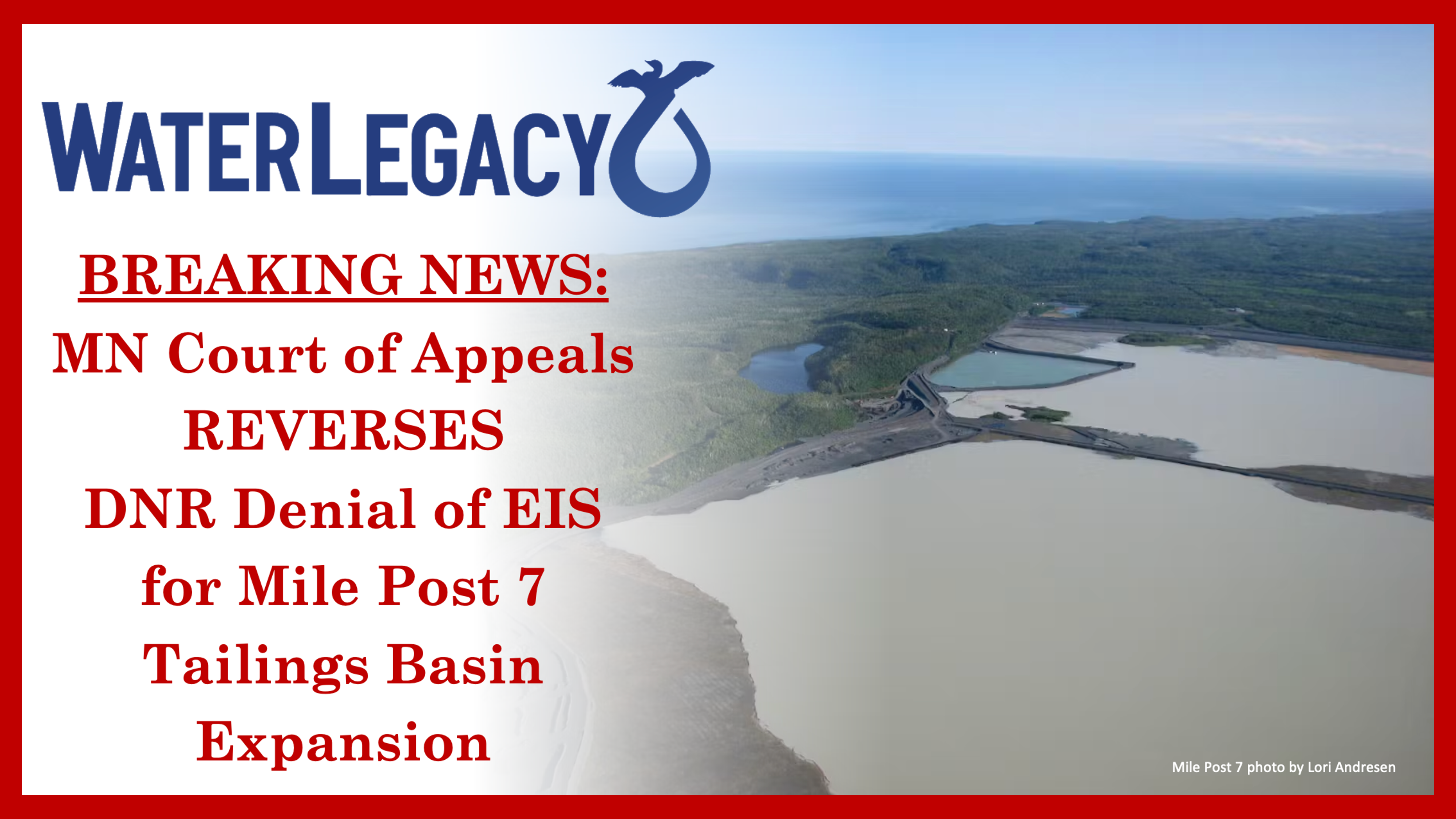
BREAKING NEWS: Court of Appeals Reverses DNR Denial of Environmental Impact Statement for Mile Post 7 Tailings Basin Expansion
On February 3, 2025, the Minnesota Court of Appeals issued a unanimous decision reversing and remanding the Minnesota Department of Natural Resources (DNR) decision denying an Environmental Impact Statement (EIS) for expansion of the Mile Post 7 tailings basin and dams. Mile Post 7 tailings dams are Class 1 hazard level dams located directly above the cities of Beaver Bay and Silver Bay and less than three miles from Lake Superior.
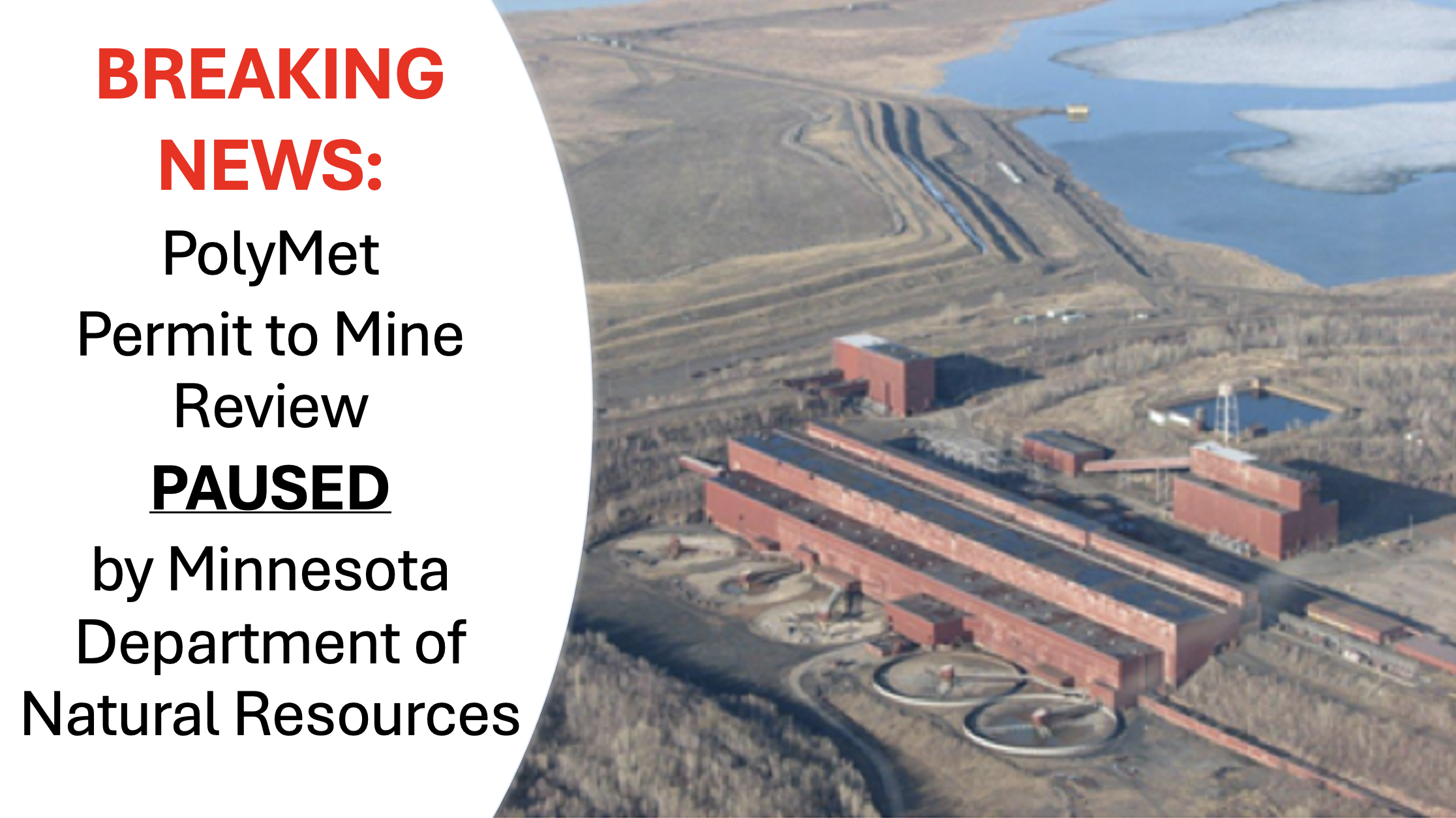
BREAKING NEWS: PolyMet Permit to Mine Review Paused by Minnesota Department of Natural Resources
The Minnesota Department of Natural Resources (DNR) announced that their review of PolyMet’s copper-nickel sulfide ore permit to mine will be suspended until August 2025. This decision delays final briefing on whether the DNR should adopt Administrative Law Judge (ALJ) James LaFave’s November 2023 recommendation to deny PolyMet’s permit to mine since the proposed tailings basin storage plan would violate Minnesota’s Reactive Mine Waste Rule.

Protect Minnesota! Require a Tamarack Region Study before any Talon Metals/ Rio Tinto Sulfide Ore Mining
LEARN WHY SCIENTISTS who worked on the 1970s Copper-Nickel Study are now calling for a NEW Tamarack Region Sulfide Ore Study. A Regional Study, rather than just site-specific environmental review is needed to protect the Tamarack area, the downstream St. Croix and Mississippi River watersheds, and the Minneapolis-St. Paul Twin Cities Area from pollution and environmental effects resulting from Talon Metals/Rio Tinto “district-scale” sulfide ore mining.
The ”present deposit” proposed by Talon for environmental review is only one-tenth of 1% of the total mining area.

SIGN TODAY: Petition for Full Disclosure in Talon Metals Environmental Review
Ask Governor Tim Walz and DNR Commissioner Sarah Strommen to require that the Environmental Impact Statement evaluate the full and cumulative impacts of mining the entire “district scale” Tamarack Mineral Intrusion.
Minnesota Lawyer Honors WaterLegacy Counsel Paula Maccabee Among 2023 Attorneys of the Year
Minnesota Lawyer has selected WaterLegacy Counsel Paula Maccabee and others on the team of lawyers who reversed the water pollution permit issued for the PolyMet copper-nickel mine among its 2023 “Attorneys of the Year” in the category of pro bono legal services. The award recognizes Maccabee’s work on behalf of environmental non-profit WaterLegacy and the work of lawyers for other environmental groups who collaborated to secure this precedent-setting victory at the Minnesota Supreme Court to protect clean water and regulatory accountability.
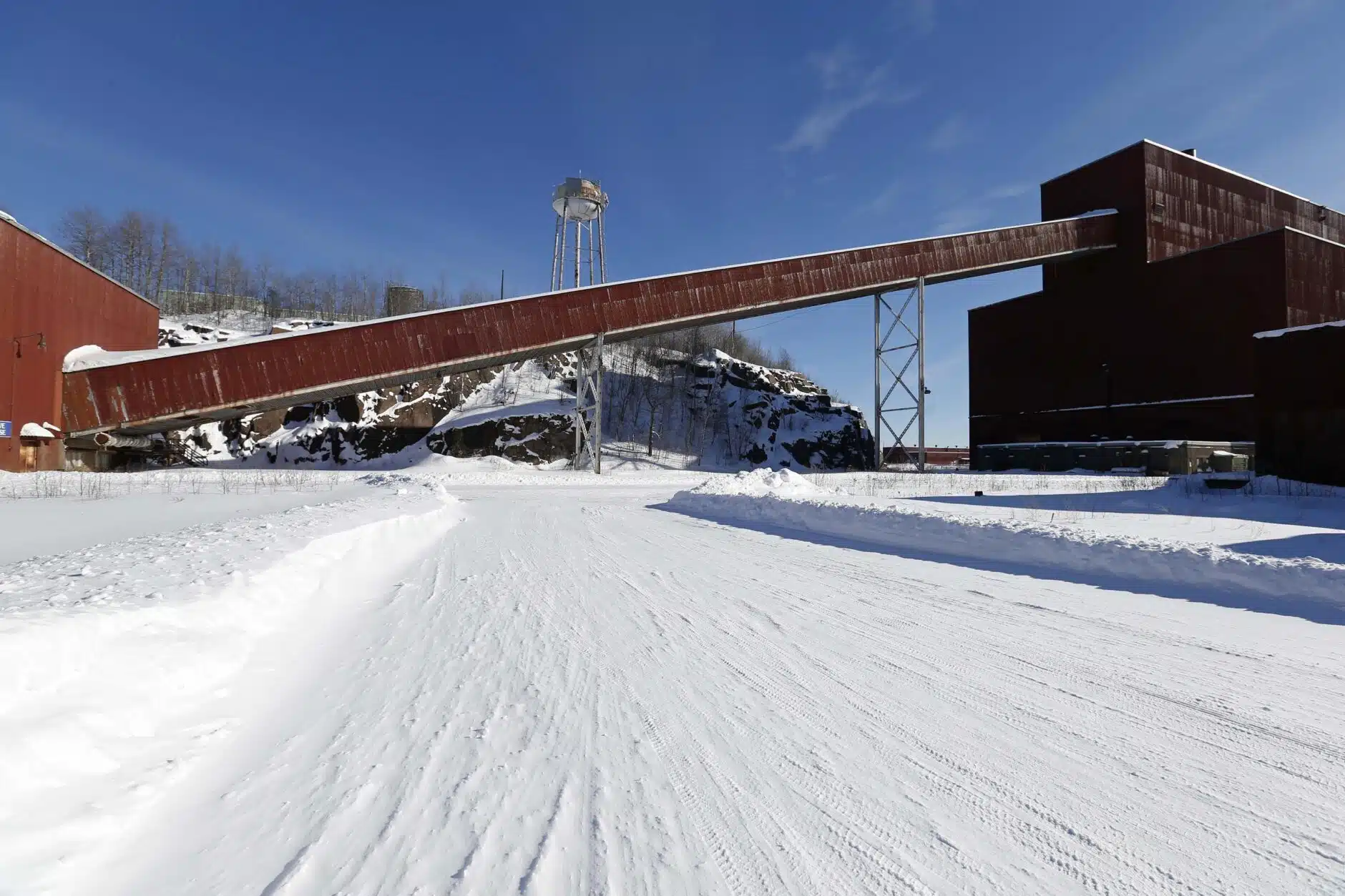
Recent News: Administrative Judge recommends denial of PolyMet Permit to Mine
Administrative Law Judge (ALJ) James LaFave recommended that the PolyMet copper-nickel sulfide ore permit to mine application to the Minnesota Department of Natural Resources (DNR) should be denied. The ALJ found that the bentonite amendment PolyMet proposed to control reactive tailings waste from the mine is not a “practicable and workable” reclamation technique that would satisfy Minnesota’s Reactive Mine Waste Rule.
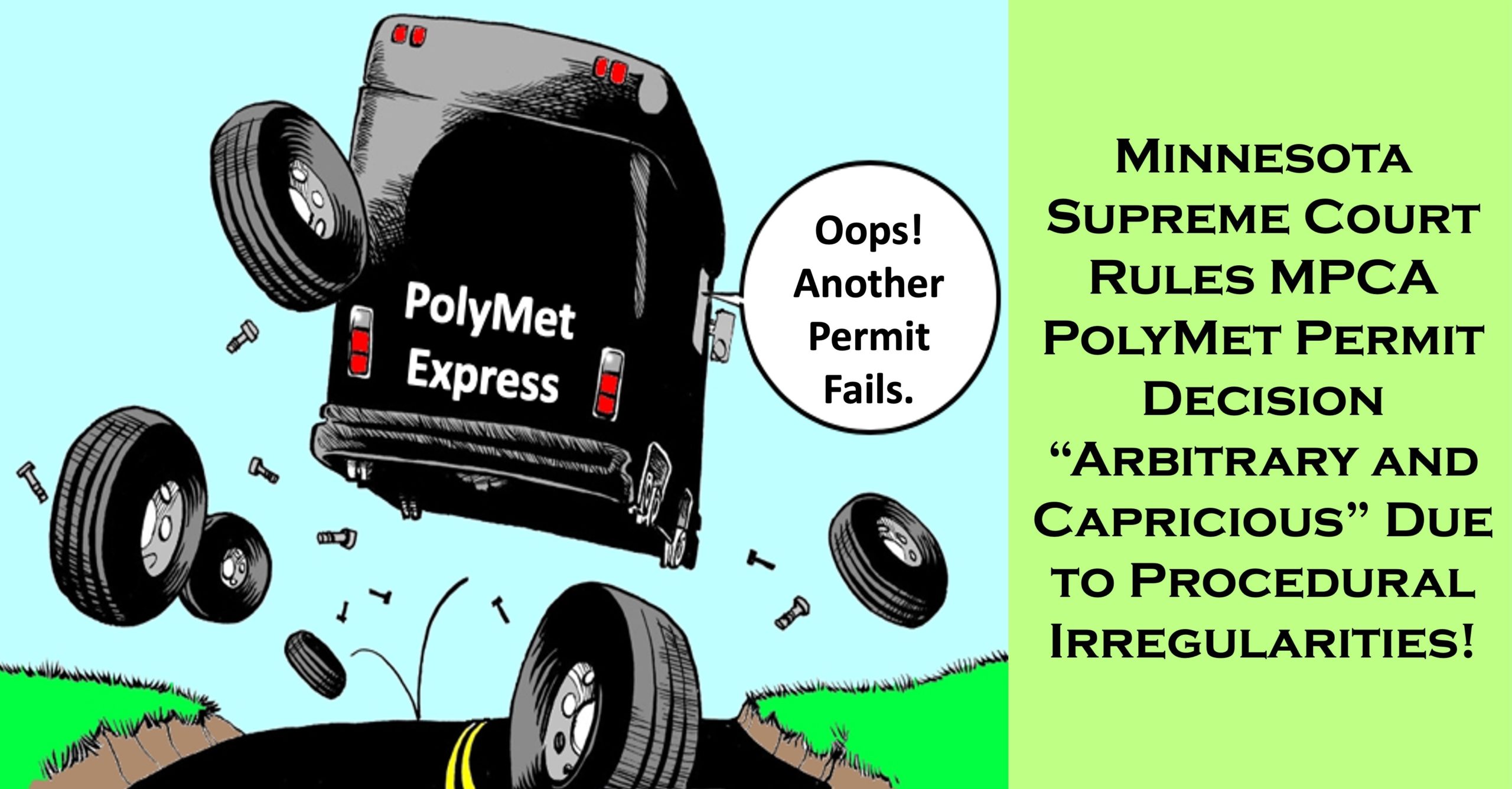
Recent News: The Minnesota Supreme Court ruled today that the MPCA PolyMet water pollution permit decision was “arbitrary and capricious” due to irregular procedures.
This is a huge victory for clean water and regulatory accountability.
For almost five years, WaterLegacy has fought for reversal of the PolyMet water pollution permit due to the MPCA’s irregular procedures that hid the U.S. EPA’s comments that the draft PolyMet permit would violate the Clean Water Act. Today, the Minnesota Supreme Court agreed and set a rigorous standard to protect “agency oversight, public accountability, and public access.”
Sign up to stay connected with WaterLegacy!
Sign up to stay informed of news, events, and ways to make your voice heard.
Join our Award Winning Work!